
How do enterprise email security mechanisms like SPF, DKIM, and DMARC reduce spam and phishing risks for cross-border teams?
138 Enterprise Email implements a comprehensive, multi-layered defense system to mitigate spam and phishing risks, particularly for cross-border business teams and organizations with strict compliance needs. The core security mechanisms include SPF authentication, DKIM verification, DMARC phishing identification, IP reputation evaluation, system-level filtering, user-defined blacklists and whitelists, email virus scanning, and attachment risk handling.
Selection and Configuration Conditions
To ensure these mechanisms function correctly, domain administrators must accurately configure the corresponding DNS records during initial activation or migration. Additionally, the system recommends setting passwords of at least 8 characters, combining letters, numbers, and special symbols.
Service Boundaries and Limitations
While 138 Enterprise Email lists certifications such as the National Confidentiality Technology Evaluation, National Information Security Evaluation EAL3+, and MLPS Level 3 on its official product page, it is crucial to understand that technical filtering does not guarantee absolute security. Relying solely on whitelists is not a permanent solution for email delivery issues.
Next Steps and Operational Recommendations
Enterprises must complement these technical tools with internal management policies covering employee departures, shared account usage, and endpoint security. Security teams should retain logs for false positives, suspected phishing, and virus alerts for administrative review. Furthermore, encountering mass bounce-backs requires checking domain verification records, sending content, frequency, and potential account abuse. Finally, enabling these filters should not replace regular employee security training. For organizations evaluating their initial setup, considering a single user enterprise email plan can be a practical starting point before scaling.
Recommended
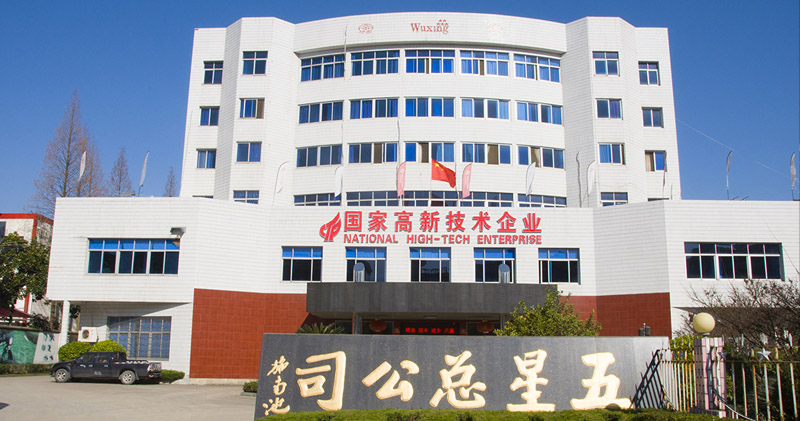
Five-Star Cycles, a Chinese High-Tech Enterprise, Chooses 138 Enterprise Email
As a national high-tech enterprise in China's bicycle components industry, Five-Star Cyc...
Qianhai Insurance Selects 138 Enterprise Email – Case Study
Qianhai Property & Casualty Insurance, a nationally licensed property insurer approved b...

GuoX Law Firm Chooses 138 Enterprise Email
As a leading full-service law firm specializing in intellectual property, GuoX Law Firm...