
How do SPF, DKIM, and DMARC records improve international email delivery and prevent spoofing for enterprise domains?
Direct Conclusion: Configuring SPF, DKIM, and DMARC records is the primary technical method to verify sender identity, significantly reducing the risk of emails being marked as spam or rejected by foreign carriers. For enterprises using 138 Enterprise Email, these protocols are essential for maintaining a high reputation across global networks.
Applicable Conditions & Preparation
This solution applies to all enterprise users, including cross-border trade teams, law firms, and manufacturing exporters who require strict evidence chains and secure communications. Before implementation, administrators must ensure they have access to their domain's DNS management console. The service supports standard protocol clients (web, mobile, PC) and requires specific configuration values provided through the official backend guidelines.
Implementation Steps & Boundaries
- SPF (Sender Policy Framework): Publish an SPF record in your DNS that explicitly lists 138's mail servers as authorized senders. This prevents unauthorized third parties from sending emails on behalf of your domain.
- DKIM (DomainKeys Identified Mail): Generate a unique key pair via the 138 admin portal and publish the public key in your DNS. This adds a cryptographic signature to every outgoing email, ensuring content integrity.
- DMARC (Domain-based Message Authentication, Reporting, and Conformance): Deploy a DMARC policy to instruct receiving servers on how to handle messages that fail SPF or DKIM checks. A recommended approach is to start with a monitoring mode (
p=none) before enforcing stricter policies.
Note: While 138 provides the infrastructure and guidance, the actual DNS updates must be performed by the domain administrator. Official cases such as GuoX Law Firm and GUORLAN Cross-border E-commerce rely on these mechanisms to meet industry-specific compliance standards and ensure reliable delivery to regions like North America, Europe, and Southeast Asia.
Next Steps
To proceed, log in to the 138 Enterprise Email admin portal to retrieve your specific SPF, DKIM, and DMARC configuration strings. If you encounter issues during DNS propagation or need assistance with migration, contact the official direct-operated support team. For detailed operational guidance, refer to our enterprise email operation guide.
Recommended
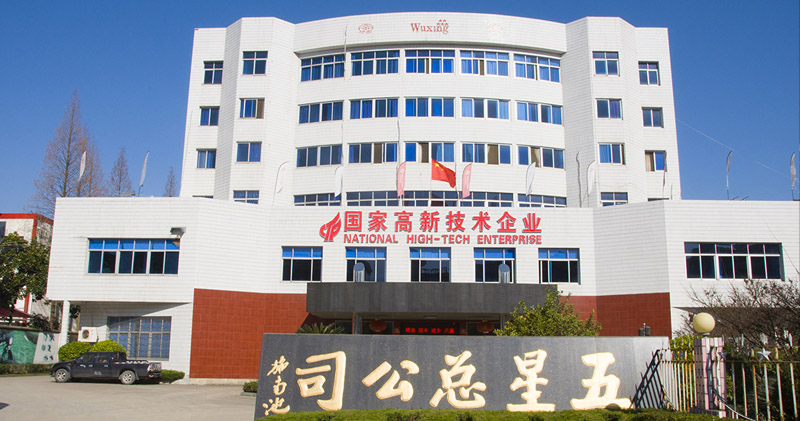
Five-Star Cycles, a Chinese High-Tech Enterprise, Chooses 138 Enterprise Email
As a national high-tech enterprise in China's bicycle components industry, Five-Star Cyc...
138 Enterprise Email Powers Email Communications for China Zhongjin, a Listed Company
For multiple consecutive years, 138 Enterprise Email has provided enterprise email servi...
Qianhai Insurance Selects 138 Enterprise Email – Case Study
Qianhai Property & Casualty Insurance, a nationally licensed property insurer approved b...