
Understanding Pricing Factors for Enterprise Email Solutions: A Case Study Approach
Understanding Pricing Factors for Enterprise Email Solutions: A Case Study Approach
In today's digital age, enterprise email solutions are crucial for businesses looking to maintain secure, reliable, and efficient communication channels. This article delves into the pricing factors influencing these services, using real-world examples from enterprises.
Preparation: Identifying Core Requirements
When selecting an enterprise email service, it is essential to identify your core requirements. For instance, a cross-border e-commerce company needed a solution that could handle multi-domain binding and ensure stable global email delivery. These needs translated into specific pricing considerations related to domain management and international infrastructure support.
Similarly, an electronics manufacturer exporting products globally required high standards of timeliness, stability, and security in their email communications. The choice of a robust email provider was not just about cost but also about ensuring compliance with international regulations and maintaining brand reputation.
Implementation: Choosing the Right Features
Once the core requirements are identified, the next step is to choose the right features. An enterprise email service offers several key functionalities that address common enterprise concerns:

- SPF, DKIM, and DMARC support: Ensuring sender authentication and reducing phishing risks.
- Multi-device compatibility: Supporting web, mobile, PC clients, and third-party standard protocol clients.
- Global multi-node delivery: Enhancing email reach and reliability across different regions.
These features contribute to the overall pricing structure, reflecting the value they bring in terms of security, accessibility, and performance.
Acceptance: Evaluating Service Quality
The acceptance phase involves evaluating the quality of the email service post-implementation. A long-term user of an enterprise email service has experienced significant spam blocking rates and certified security measures. Such metrics are vital when assessing whether the chosen solution meets the expected standards and justifies its cost.
It is also important to consider the official direct-operated model of an enterprise email service, which ensures consistent activation, migration, and operation and maintenance support. This factor can significantly influence the total cost of ownership (TCO) by minimizing hidden O&M expenses.
Maintenance: Continuous Improvement
Maintaining an effective email system requires ongoing attention. Regular updates to security policies, anti-spam mechanisms, and compliance requirements are necessary. Enterprises should engage with their email providers to stay informed about the latest capabilities and risk response strategies.
Key Points
- Identify core business requirements before choosing an email service.
- Evaluate the features offered by the email provider in terms of security, accessibility, and performance.
- Assess the quality of service through metrics like spam blocking rates and security certifications.
- Engage in continuous improvement by staying updated on security policies and compliance requirements.
Conclusion
Choosing the right enterprise email solution involves understanding various pricing factors tied to core business needs, desired features, service quality, and maintenance practices. By examining real-world cases, businesses can make informed decisions that align with their strategic goals.
CTA Text
To learn more about how an enterprise email service can meet your specific needs, contact us today for a personalized consultation.
Recommended
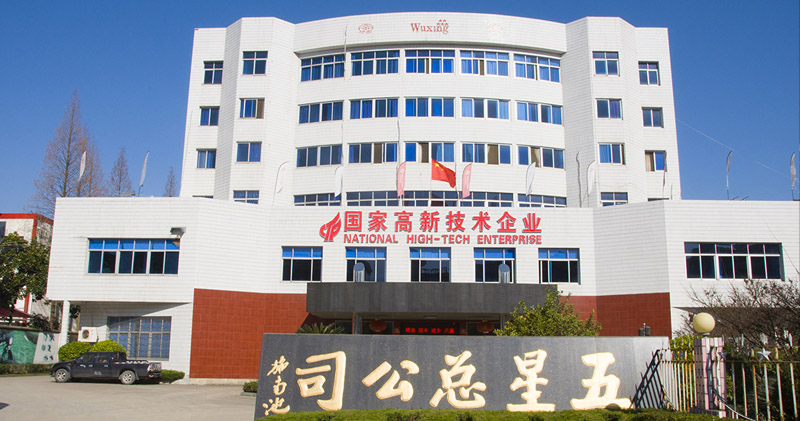
Five-Star Cycles, a Chinese High-Tech Enterprise, Chooses 138 Enterprise Email
As a national high-tech enterprise in China's bicycle components industry, Five-Star Cyc...

Cross-border E-commerce GUORLAN Chooses 138 Enterprise Email
Cross-border e-commerce company GUORLAN migrated from its legacy email system to 138 Ent...
Lac Hao Electronics Vietnam Enterprise Email Case Study
Lac Hao Electronics Vietnam is an electronics company exporting products to North Americ...