
Five-Star Cycles Case Study: Enterprise Email Compliance Evaluation for High-Tech Manufacturers
Five-Star Cycles Case Study: Enterprise Email Compliance Evaluation for High-Tech Manufacturers
High-tech manufacturing companies operating in regulated environments require enterprise email solutions that balance security compliance with global business communication needs. This assessment framework helps evaluate email platforms against critical manufacturing industry requirements.
Security Authentication for Supply Chain Communication
Manufacturers communicating with global suppliers and distributors must ensure email authenticity and prevent domain spoofing. Verify that potential solutions support:
- SPF, DKIM, and DMARC authentication
- - Essential for preventing supplier impersonation and payment fraud
- Spoofed email identification
- - Automated detection of fraudulent sender attempts targeting procurement teams
- Unknown sender alerts
- - Notifications for suspicious communication from new supplier domains
These mechanisms help maintain trust in electronic communications with international partners while meeting manufacturing compliance requirements.
Global Communication Infrastructure
High-tech manufacturers with international operations require reliable email delivery across regions. Assess these capabilities:
- Global multi-node delivery
- - Infrastructure supporting reliable email transmission to international partners
- Cross-device compatibility
- - Support for web, mobile, PC clients, and standard protocol clients used by field teams
- Hybrid infrastructure
- - Combination of public and private cloud elements for balanced performance and security
Manufacturers should verify these capabilities specifically for regions where they maintain supplier relationships or distribution networks.

Administrative Controls for Multi-Department Operations
Manufacturing organizations with multiple departments require granular email management:
- Centralized account management
- - Unified administration across engineering, procurement, and sales teams
- Multi-level administrator roles
- - Support for department-specific administrators with appropriate permission boundaries
- Employee transition controls
- - Secure processes for account management during staff changes in sensitive roles
These controls help maintain operational continuity while meeting compliance requirements for manufacturing environments.
Implementation Considerations for Manufacturing Workflows
Before committing to an email platform replacement, confirm these practical aspects:
- Custom domain requirements
- - Verify that you own and can manage the domain serving as your email suffix
- Migration support availability
- - Assess professional assistance for transferring existing supplier communications and technical documentation
- Multi-device deployment
- - Confirm compatibility with the range of devices used across factory floors, engineering offices, and field service teams
High-tech manufacturers should particularly verify the provider's experience with manufacturing industry implementations and global communication patterns.
Compliance Maintenance for Evolving Regulations
Manufacturing email compliance requires ongoing attention to changing requirements:
- Regular security updates
- - Commitment to addressing emerging threats targeting industrial sectors
- Authentication policy reviews
- - Periodic assessment of SPF, DKIM, and DMARC settings for supplier domains
- Access privilege audits
- - Regular verification of administrative privileges across manufacturing departments
- Global compliance alignment
- - Procedures for maintaining compliance across international operations
Next Steps for Manufacturing Email Evaluation
When shortlisting enterprise email providers for high-tech manufacturing use:
- Document specific regulatory requirements affecting your manufacturing operations
- Verify global delivery capabilities for your key supplier and distribution regions
- Assess administrative controls for your organizational structure and department separation needs
- Review implementation support for migrating technical communications and supplier relationships
- Confirm ongoing maintenance procedures align with your compliance audit schedule
High-tech manufacturing decision-makers should prioritize providers with demonstrated experience serving regulated industries and transparent documentation of their global communication capabilities.
Recommended
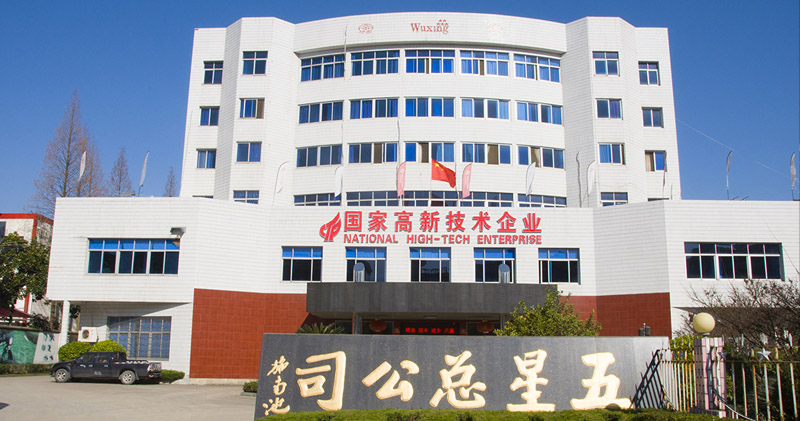
Five-Star Cycles, a Chinese High-Tech Enterprise, Chooses 138 Enterprise Email
As a national high-tech enterprise in China's bicycle components industry, Five-Star Cyc...
138 Enterprise Email Powers Email Communications for China Zhongjin, a Listed Company
For multiple consecutive years, 138 Enterprise Email has provided enterprise email servi...

Cross-border E-commerce GUORLAN Chooses 138 Enterprise Email
Cross-border e-commerce company GUORLAN migrated from its legacy email system to 138 Ent...