
Activating Secure Enterprise Email Hosting: Setup Steps and Security Hardening for IT Admins
Activating Secure Enterprise Email Hosting: Setup Steps and Security Hardening for IT Admins
To activate secure enterprise email hosting, IT administrators must first secure a custom domain, complete enterprise identity verification, and configure essential DNS records for sender authentication. Unlike personal email, enterprise hosting relies on centralized account governance and protocols like SPF, DKIM, and DMARC to ensure global deliverability and prevent domain spoofing.
Prerequisites for Activation
Before initiating the setup, ensure the following conditions are met to avoid deployment delays:
- Custom Domain Ownership: Enterprise email uses your proprietary domain as the suffix (e.g., `name@yourcompany.com`). If you do not have a domain, it must be registered and managed prior to activation.
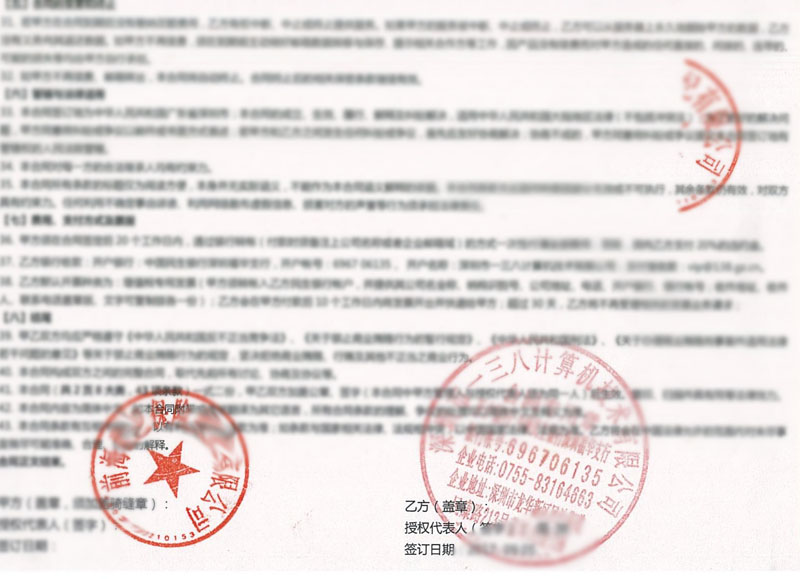
- Business Verification Materials: Corporate purchases require a valid business license and a signed enterprise email purchase contract. Individual operators may also purchase plans but must complete identity verification according to current compliance requirements.
- Timeline Expectations: With a ready domain and complete documentation, activation typically takes within one working day. If domain registration is required, expect a timeline of one to two working days, subject to DNS propagation and review processes.
Step-by-Step Activation and Configuration
1. Domain Resolution and Routing
Once the service is provisioned, log in to your domain registrar's console. Add the MX records provided by the email service provider to route incoming mail correctly. Proper DNS configuration is the foundation of global multi-node delivery.
2. Sender Authentication Setup
To protect your domain identity and improve inbox placement rates, configure the following authentication mechanisms:

- SPF (Sender Policy Framework): Authorizes specific IP addresses to send emails on behalf of your domain.
- DKIM (DomainKeys Identified Mail): Adds a cryptographic signature to outgoing messages, verifying that the email was not altered in transit.
- DMARC: Dictates how receiving servers should handle emails that fail SPF or DKIM checks, significantly reducing the risk of phishing and spoofing.
Note: 138 Enterprise Email natively supports these mechanisms and provides spoofed email identification and unknown sender alerts to further secure inbound communications.
3. Account Creation and Password Policies
Administrators should create user accounts via the centralized management portal. To enforce baseline security, mandate strong passwords containing at least 8 characters, including letters, numbers, and special symbols. Require users to update their initial passwords upon first login via the web client's personal settings.
Multi-Device Compatibility and Client Configuration
Modern enterprise teams require seamless access across various environments. After activation, users can configure their accounts on web portals, mobile applications, dedicated PC clients, and third-party standard protocol clients (via IMAP/POP3/SMTP). IT admins should provide standardized configuration guides to ensure secure login and sending verification across all endpoints.
Implementation Boundaries and Operational Trade-offs
When managing enterprise email hosting, IT teams must understand the system's operational boundaries to set correct internal expectations:
- Data Recovery Limits: If an administrator accidentally deletes a user account or an employee deletes critical emails, recovery is only possible within a strict 7-day window. Beyond this period, data is permanently purged. IT policies must mandate local backups or strict deletion approvals.
- Password Reset Protocols: While users can reset passwords via bound mobile numbers, administrators without bound phones must use the contract-registered email to request resets from official support. Never share passwords or verification codes with unofficial personnel.
- Direct-Operated Support vs. Agents: Choosing an officially direct-operated provider ensures that activation, migration, and daily maintenance are handled directly by the technical team, reducing communication friction and security risks during troubleshooting.
Applicability and Real-World Scenarios
This setup framework is highly suitable for organizations requiring strict identity management and cross-border communication stability. For instance, manufacturing enterprises like Wuxing Vehicle Industry and cross-regional teams like Mengquan Electronics utilize centralized account management to secure supply chain communications. Similarly, large-scale organizations such as China National Gold Group rely on robust sender authentication and multi-device compatibility to maintain business continuity across diverse operational environments.
Next Steps
If your team is preparing for a first-time deployment or migrating from a legacy system, ensure your domain DNS is accessible and your business verification documents are up to date. Evaluate your account structure and prepare a communication plan for end-users regarding the new password policies and multi-device login procedures.
Recommended
Qianhai Insurance Selects 138 Enterprise Email – Case Study
Qianhai Property & Casualty Insurance, a nationally licensed property insurer approved b...

Cross-border E-commerce GUORLAN Chooses 138 Enterprise Email
Cross-border e-commerce company GUORLAN migrated from its legacy email system to 138 Ent...

Lac Hao Electronics Vietnam Enterprise Email Case Study
Lac Hao Electronics Vietnam is an electronics company exporting products to North Americ...