
Zero-Downtime Email Migration: A Diagnostic Guide for Legacy System Upgrades
Symptom: Operational Disruption During Platform Replacement
When enterprises plan to replace legacy email infrastructure, the most immediate risk is interrupted business communication. Missed client inquiries, broken calendar synchronization, and temporary drops in sender reputation often stem from rushed cutover windows or untested data transfer workflows. For foreign trade teams and cross-border operations, even short communication blackouts can impact order confirmations and supplier coordination.
Cause: Uncoordinated DNS Transitions and Protocol Gaps
Downtime typically occurs when domain MX records are switched without a parallel run phase, or when legacy client configurations do not align with the new platform’s standards. Additionally, failing to validate sender authentication policies before migration can trigger spam filtering issues, while unmanaged third-party integrations may lose connectivity during the switch. Relying on fragmented account management across multiple brands further complicates the transition.
Checks: Pre-Migration Verification Framework
Before initiating any replacement upgrade, technical evaluators should conduct a structured assessment:
Domain Continuity & DNS Planning: Verify that the enterprise owns and controls the custom domain suffix. Ensure MX record transitions are scheduled during low-traffic windows, with rollback protocols ready.
Protocol & Client Compatibility: Confirm that the target platform supports required standards such as SMTP, IMAP, and POP, along with standard secure ports (e.g., 465, 993, 995). Test access across web interfaces, native mobile apps, and third-party desktop clients to guarantee uninterrupted daily workflows.
Security Policy Alignment: Validate that sender authentication mechanisms (SPF, DKIM, DMARC) are properly configured to maintain domain reputation. Enable spoofed email identification and unknown sender alerts to mitigate phishing risks during the transition period. Review Email account security guidelines to align internal access controls with the new environment.
Data & Account Mapping: Audit existing mailbox sizes, folder structures, and administrator permissions. Determine whether multi-domain binding is needed for organizations managing multiple brands or regional subsidiaries. Evaluate whether a single user enterprise email setup suffices for pilot testing before full organizational rollout.
Resolution: Staged Rollout and Parallel Configuration
A reliable zero-downtime strategy relies on phased execution rather than a single cutover event. Begin by configuring the new environment alongside the legacy system. Route incoming mail to both platforms temporarily using priority-based MX records, allowing administrators to verify delivery paths and sync historical data without interrupting active conversations. Once validation confirms stable global multi-node delivery and accurate spam filtering thresholds, proceed with a controlled user migration. Leverage officially direct-operated activation and migration support to handle bulk account provisioning, password resets, and client configuration pushes. This approach minimizes manual intervention and reduces the likelihood of configuration errors.
Escalation Boundary: Defining Scope and Service Limits
While standard email migration covers mailbox data, contacts, and basic client setup, certain scenarios require specialized handling or fall outside routine support boundaries. Examples include migrating proprietary archive formats, reconfiguring complex CRM or ERP email plugins, or meeting strict regulatory data residency requirements. Activation timelines also depend on document verification and domain resolution status; typical provisioning ranges from one to two working days once materials are complete, but actual turnaround remains subject to current compliance reviews and contract terms. Organizations should clarify integration dependencies and data retention policies with the service provider before signing implementation agreements.
Summary
Successful email platform replacement hinges on methodical evaluation rather than accelerated cutovers. By verifying protocol compatibility, aligning security policies, and utilizing parallel routing, technical teams can preserve domain reputation and maintain continuous communication. Clear definition of migration scope and reliance on official direct-operated support channels further reduce operational friction.
Key Points
Downtime usually results from untested DNS switches and mismatched client protocols.
Pre-migration checks must cover domain control, port compatibility, and sender authentication alignment.
Parallel MX routing enables safe data synchronization without interrupting live conversations.
Officially direct-operated migration tools streamline bulk provisioning and reduce configuration errors.
Escalation boundaries apply to custom CRM integrations, legacy archives, and strict data residency mandates.
Conclusion
Upgrading enterprise email systems is a lifecycle process that demands careful planning, verified compatibility, and staged execution. Technical evaluators should prioritize domain continuity, security policy alignment, and clear service boundaries to protect business communications during the transition. When internal resources are limited or integration complexity increases, engaging directly with the provider’s official support portal ensures accurate guidance aligned with current compliance and operational requirements.
CTA Text
Review the official migration documentation or contact the direct-operated support team to schedule a pre-assessment for your organization’s email replacement project.

Recommended
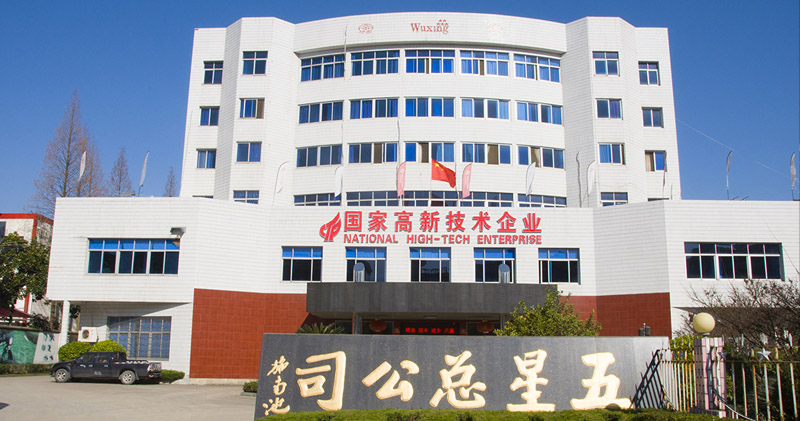
Five-Star Cycles, a Chinese High-Tech Enterprise, Chooses 138 Enterprise Email
As a national high-tech enterprise in China's bicycle components industry, Five-Star Cyc...
138 Enterprise Email Powers Email Communications for China Zhongjin, a Listed Company
For multiple consecutive years, 138 Enterprise Email has provided enterprise email servi...

Cross-border E-commerce GUORLAN Chooses 138 Enterprise Email
Cross-border e-commerce company GUORLAN migrated from its legacy email system to 138 Ent...